
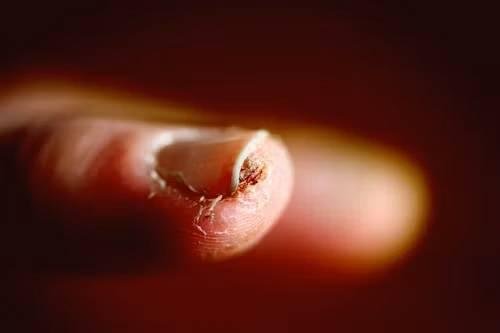
Many individuals notice changes in fingernails or toenails and immediately worry about a nail fungal infection. However, frequent gel manicures, extended press-on wear, and aggressive acrylic removals can leave nails looking nearly identical to an active infection or nail fungus. Misidentifying the root cause can lead to treating the wrong problem with ineffective methods.
Affiliate & Advertising Disclosure: LumiVexa is a reader-supported publication. Product purchases made through links on this website may generate an affiliate commission from Amazon Associates at no additional expense to the buyer. For details, please review the formal Affiliate Disclosure and Privacy Policy.
How to Tell the Difference: Cosmetic Damage vs. Potential Infection
Distinguishing between structural surface trauma and an organic issue is the first step toward proper nail care.
Signs That Point Toward Cosmetic Damage
Cosmetic trauma generally stems from physical stress or chemical dehydration on the nail plate. Common visual indicators include:
- Chalky White Patches: Often smooth to the touch, these patches frequently represent keratin granulation, which happens when superficial layers of the nail peel away during polish or adhesive removal.
- Localized Lifting: The nail plate may separate slightly from the bed after long-term acrylic or gel wear, usually confined to a single area without spreading.
- Surface Ridging: Horizontal or vertical ridges can develop following tight footwear pressure or aggressive metal cuticle tool usage.
Signs Consistent with a Fungal Infection
A fungal infection (onychomycosis) typically behaves differently as it thrives on the components of the nail. Common indicators include:
- Distinct Discoloration: Yellow, brown, or white streaks that often begin near the free edge or sides of the nail.
- Progressive Spreading: Unlike static mechanical damage, the discoloration slowly moves toward the cuticle line over weeks or months.
- Texture Alterations: The nail plate may become noticeably thickened, brittle, or crumble easily at the edges.
- Persistent Growth Issues: The abnormality worsens or stays in place rather than naturally growing out with the nail over time.
Over-the-Counter Management: What Topical Options Can Do
When addressing mild, superficial nail concerns, several over-the-counter (OTC) topical options are widely utilized to improve appearance or manage early-stage symptoms. Because the nail plate is dense and hard to penetrate, topical routines generally require three to twelve months of consistent daily application to show results as new nail tissue slowly replaces the old.
Tolnaftate-Based Solutions (such as Fungi-Nail)

- Targeted Skin Support and Barrier Care: This skin care bar features 1% Tolnaftate, a widely recognized ingredient that h…
- Natural Soothing and Calming for Irritated Skin: Infused with natural mentha extract, tea tree oil, and lavender flower …
- Gentle, Skin-Friendly Formula for All Skin Types: Crafted with a mild, hypoallergenic formula, this soap is suitable for…
- Luxurious Lather and Easy-Rinse Convenience: This skin care bar creates a rich, creamy lather that effectively lifts dir…
- Versatile Daily Use for the Whole Family: Suitable for adults and teens, this skin care bar is a versatile solution for …
Tolnaftate is a well-established topical antifungal agent frequently utilized for superficial skin and surface nail boundaries.
- How it works: It targets early, mild surface discoloration when applied consistently around the nail margins and surrounding skin.
- Considerations: It has limited efficacy on deeply rooted, heavily thickened nail matrices. Please double-check the physical product label to confirm exact application steps and safety warnings.
Keratin-Clarifying Gels (such as NONYX)

Topical products like Nonyx cost more because they chemically dissolve buildup. A completely free alternative to accelerate results is regular manual thinning.
Nonyx relies on one main functional component: ethanoic acid (more commonly known as acetic acid). The formulation thickens this acid into a gel using xanthan gum so it stays in place on the nail plate. The acid breaks down the dead, yellowed keratin debris beneath and inside the nail without damaging the surrounding tissue.
Broad-Spectrum Antifungal Creams (such as Clotrimazole or Miconazole)

- CLINICALLY PROVEN ANTIFUNGAL CREAM — TARO Clotrimaderm Topical contains the same active ingredient as the leading brand …
- ONE ANTI FUNGAL CREAM. THREE FUNGAL INFECTIONS — Clotrimaderm Topical treats all three common fungal skin infections: at…
- RELIEVES ITCHING, BURNING, SCALING AND SORENESS — This clotrimazole antifungal cream is an anti itch cream that relieves…
- ODOURLESS, GREASELESS, NON-STINGING AND NON-STAINING — Clotrimaderm Topical is a greaseless, odourless, non-stinging and…
- TRUSTED CANADIAN PHARMACY QUALITY — Manufactured in Canada by Taro Pharmaceuticals, a Sun Pharma company providing Canad…
Over-the-Counter Management: What Topical Options Can Do
Addressing mild, superficial nail concerns with over-the-counter (OTC) options requires long-term, daily discipline. Because the underlying matrix is dense, visual improvements generally require three to twelve months of daily tracking as fresh tissue slowly replaces the old. Check labels closely to verify the active ingredients.
Topical Antifungal Liquids
Targeted liquids containing active agents like 1% Tolnaftate focus directly on superficial surface boundaries and localized skin borders.
Considerations: This method focuses primarily on early, mild surface changes. Double-check the product packaging instructions to ensure correct usage around the nail margins.
Keratin-Clarifying Gels
The Method: Apply a specialized keratin-clarifying formula containing ethanoic acid (acetic acid) directly onto the surface of the nail plate according to manufacturer timelines.
The Benefit: The gel-thickened resin holds the solution securely in place. The acid breaks down dead, yellowed keratin debris beneath and inside the nail plate without damaging the surrounding tissue.
Broad-Spectrum Creams
Accessible over-the-counter creams (such as Clotrimazole or Miconazole) are widely utilized to address activity on the skin immediately surrounding the nail boundaries.
Considerations: These creams help clear up localized athlete’s foot to prevent spreading to the nail bed, but they struggle to penetrate through the thick, hard top layers of a fully formed nail plate.
Manual Thinning (Mechanical Care)
The Method: Use a clean, heavy-duty nail file or emery board to gently sand down the top surface of thickened nails once a week. After bathing or rinsing when the nail is soft, use a wooden manicure stick to carefully clear out loosened debris from beneath the edge.
The Benefit: Removing dead buildup manually allows topical options (like standard antifungal creams or vinegar cosmetic blends) to contact the remaining nail plate much more effectively.
Can Polish or Gel Be Worn During Treatment?
Trapping moisture beneath a layer of synthetic material can aggravate an active fungal issue. Standard nail cosmetics seal the area, creating a dark, damp environment where organisms thrive.
If coverage is necessary for cosmetic reasons, a specialty antifungal-infused nail polish is generally considered a safer alternative to traditional formulas. However, avoiding gel manicures, acrylics, and press-on adhesives entirely is highly recommended until the nail plate has fully grown out and reattached to the bed. This allows for clear monitoring of any visual improvements.
When to See a Doctor Instead
While early or superficial nail surface changes can sometimes be managed at home, certain presentations require evaluation by a board-certified dermatologist or podiatrist.
Consult a healthcare professional if:
- More than half of a single nail plate becomes severely thickened or distorted.
- Multiple fingernails or toenails are simultaneously affected.
- The surrounding skin exhibits severe redness, swelling, pain, or fluid discharge.
- Home management strategies show zero visible improvement after two full months of daily use.
Note for Vulnerable Populations: Individuals managing chronic conditions like diabetes, poor systemic circulation, or a compromised immune system should never attempt self-treatment for nail structural changes. Fungal infections carry elevated risks of secondary bacterial complications in these circumstances, making immediate professional evaluation essential.
Nail Care & Safety Notice: The information presented in this specific article is for educational, aesthetic, and everyday tracking purposes only. Content details focus exclusively on evaluating over-the-counter topical formulas, tracking surface structural differences, and analyzing published cosmetic trends regarding plate damage and organic changes.
Clinical diagnostics, therapeutic prescriptions, and localized medical testing are not provided. The content on this page is not generated by a board-certified dermatologist, licensed podiatrist, or medical provider, and must never be used to replace a professional medical diagnosis or customized treatment plan for onychomycosis.
Because dense keratin matrices and underlying tissue conditions respond uniquely to active chemical solutions, official manufacturer application guidelines must always be reviewed, physical labels verified, and a certified health professional consulted immediately if discoloration spreads or thickness increases.

Medical & Safety Disclaimer: The content featured on LumiVexa is for informational, aesthetic, and everyday entertainment purposes only. As a platform dedicated to beauty enthusiasm, content involves researching ingredient profiles, analyzing formulation catalogs, and identifying viral trends. Personal product testing is not performed, and operations are not conducted by a professional dermatologist, aesthetician, or medical provider. Because skin types react uniquely to different formulations, official manufacturer guidelines must always be reviewed, proper patch tests performed, and a certified health professional consulted before introducing any featured cosmetic or skincare product to a personal routine.